


By: Tim Carpenter
Kansas Reflector
TOPEKA — The fraud trial of the former CEO of a company with a unique Kansas bank charter was to begin Tuesday in the wake of a judge’s ruling that the defendant couldn’t shield AI-generated documents from prosecutors by claiming attorney-client privilege.
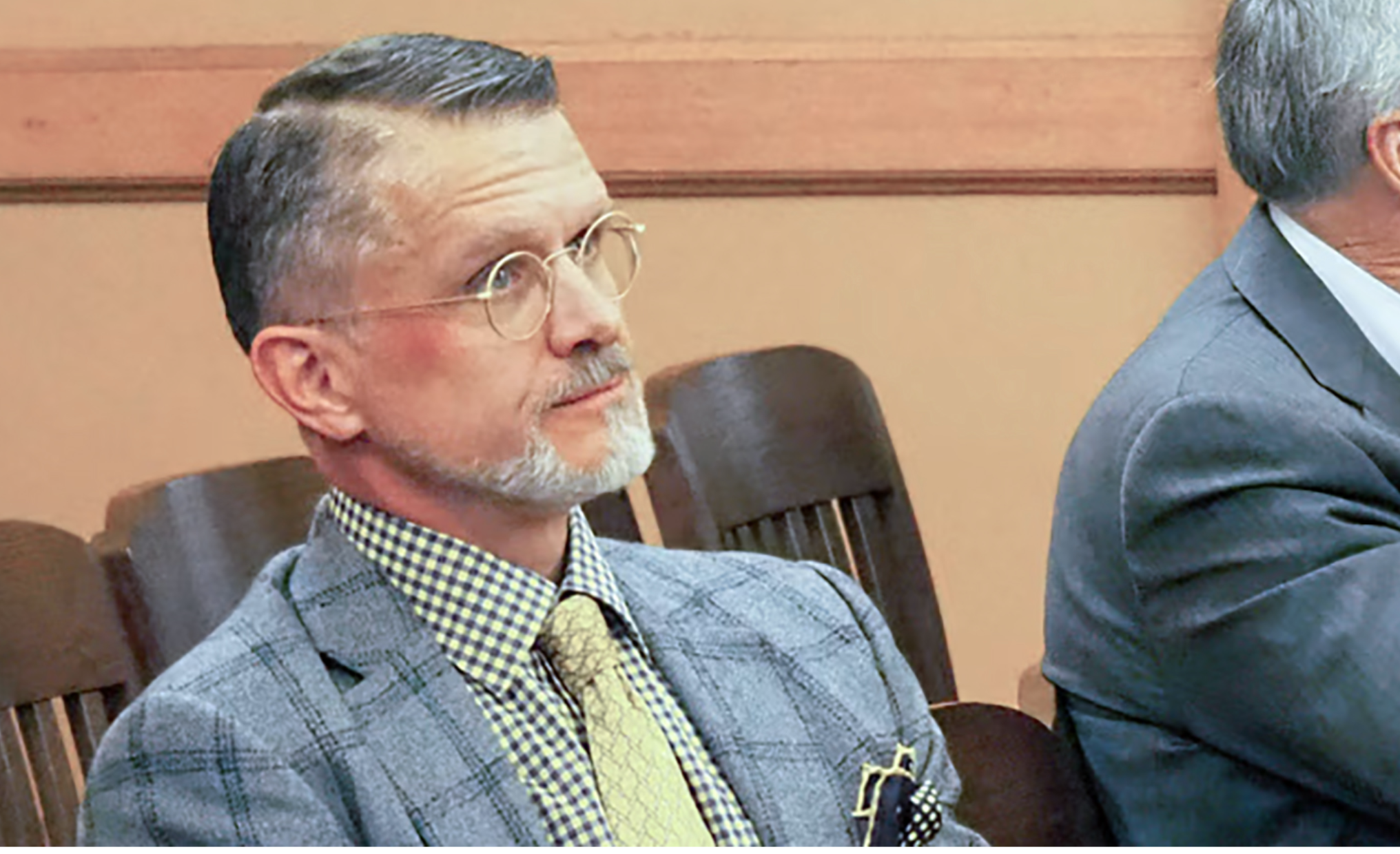
Brad Heppner, founder of Texas-based Beneficient and at one time the leader of a Kansas subsidiary issued the bank charter on orders of the Kansas Legislature, goes on trial in New York for securities fraud, wire fraud, making false statements, falsifying records and conspiracy. He entered a plea of not guilty on all charges.
He was accused of syphoning at least $150 million from now-bankrupt GWG Holdings by shifting cash to Beneficient and Highland Consolidated Limited Partnership. Heppner was simultaneously chairman of GWG and Beneficient while secretly controlling the partnership’s shell company.
Jay Clayton, U.S. attorney for the southern district of New York, said Heppner abused executive leadership roles to “funnel money into his own pockets.”
The federal indictment asserted Heppner devoted $40 million to a Texas mansion and ranch. He was accused of using $20 million to pay tax expenses and bought jewelry worth more than $500,000.
Before his arrest in November, court records say, Heppner responded to a grand jury subpoena by turning to the internet for legal insights. The 31 documents produced by Heppner with assistance of a publicly available generative artificial intelligence tool were forwarded to his attorneys and discovered by Federal Bureau of Investigation agents on electronic devices seized with a search warrant.
Court records showed Heppner made use of Anthropic’s Claude, which had a term-of-service policy warning consumers not to expect confidentiality for a user’s queries or Claude’s responses. Anthropic’s policy said workshopping through the chatbot shouldn’t be viewed as the equivalent of consulting an attorney, because the company reserved the right to disclose data to government regulators and other third parties.
Heppner’s lawyers said they didn’t advise Heppner to make use of AI, but sought to keep his documents from prosecutors because they “outlined defense strategy” and revealed “what he might argue with respect to the facts and the law” in relation to the fraud indictment.
In New York City, U.S. District Judge Jed Rakoff said he couldn’t find the “basis for any claim of attorney-client privilege” by Heppner. Nor did the judge believe Heppner’s AI documents were covered by the work-product doctrine — even if the material was subsequently shared with legal counsel.
“The AI documents do not merit the protections Heppner has claimed,” Rakoff said in a written order. “The AI documents are not communications between Heppner and his counsel. Heppner does not, and indeed could not, maintain that Claude is an attorney.”
Heppner persuaded the Kansas Legislature five years ago to direct state regulators to issue a bank charter to a Beneficient subsidiary. It was sought to facilitate the company’s work to attract wealthy clients eager to create liquidity from assets not easily traded or transferred. The bank charter, unique to Kansas, was opposed by the state banking commissioner.
The scandal engulfing Heppner proved embarrassing to members of the Legislature, especially those who for years touted Beneficient as an economic development miracle that would bring prosperity to Heppner’s hometown of Hesston.
Before adjourning the 2026 session, the House and Senate passed a bill forbidding any state agency in Kansas from serving as receiver of a failed Beneficient entity.