


More than 4,000 Missouri families are waiting for help paying for childcare, while the state says providers will not receive the higher absence reimbursements permitted under the new budget
By:Steph Quinn
Missouri Independent
One in five Missouri children eligible for state-paid childcare services isn’t receiving help because there isn’t enough money in the state budget.
There are 7,389 children on the waiting list to be enrolled in the state’s childcare subsidy program, the Department of Elementary and Secondary Education told The Independent on Friday.
No children have been moved off the list since it started March 1.
“The finance team is monitoring spending and working to determine if funds will be available to move kids off the waitlist,” said Lucas Bond, a spokesman for the state education department.
And the department will not implement a much-anticipated change in the way childcare providers participating in the program are paid, Bond said.
The program helps cover the cost of childcare for families earning no more than 150% of the federal poverty level. That’s $49,500 for a family of four, which is equivalent to one person earning $23.80 an hour for a year of full time work. Foster children and children with special needs are also eligible.
For years, providers in the program have been asking the state to pay them on the same basis as private childcare — in advance and based on enrollment instead of attendance.
Plans to begin enrollment-based payment in May hit a roadblock during this year’s legislative session, when House Budget Chairman Dirk Deaton, a Seneca Republican, proposed language that would have banned advanced payment as well as payment based on enrollment
The budget signed by Gov. Mike Kehoe June 30 did not prohibit enrollment-based payment. Instead, it allowed — but did not require — the department to increase the maximum number of reimbursable absences per child from five to 10 days each month.
But Bond said Friday that the department does not plan to raise reimbursable absences above five.
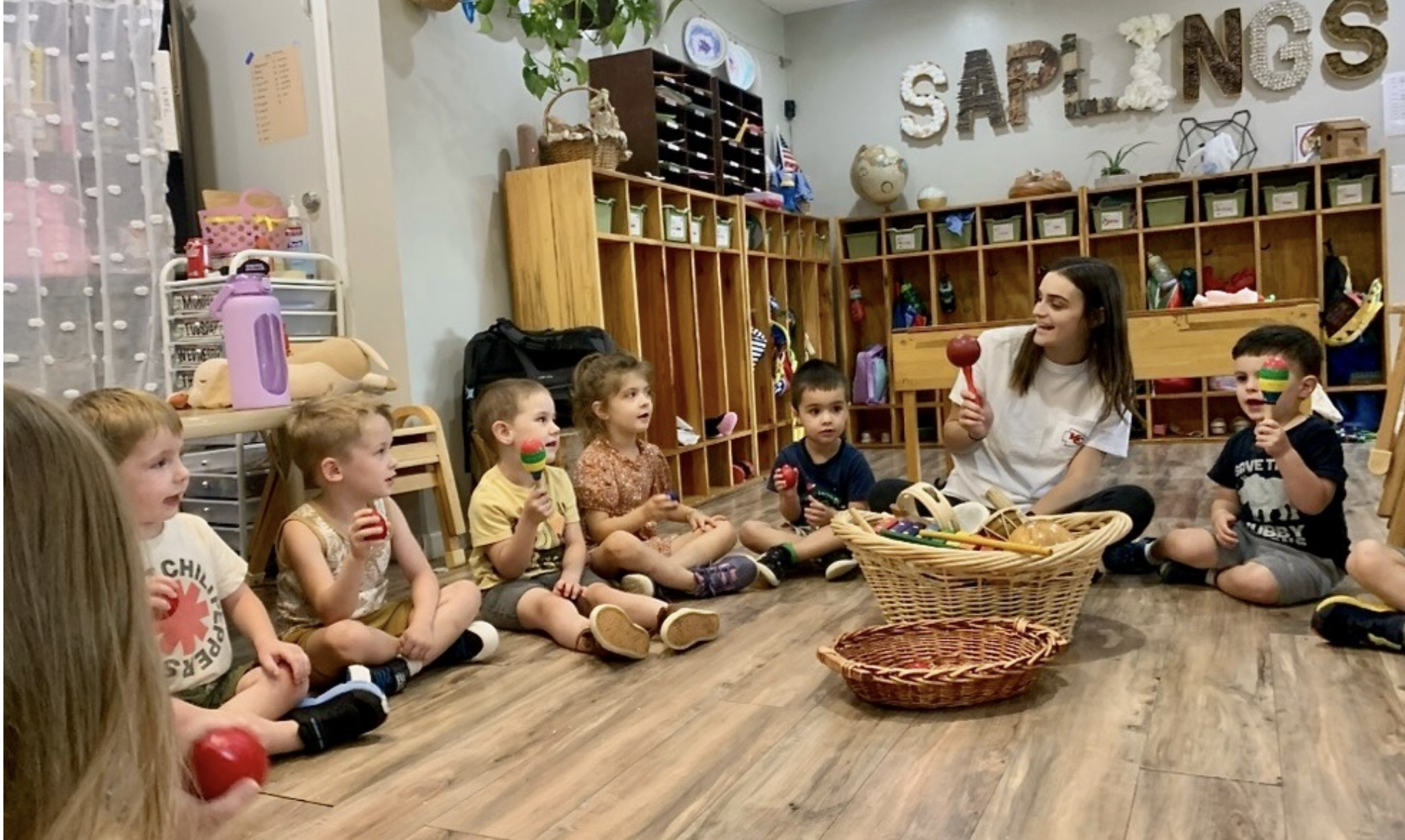
For Carly Walton, owner of Peapod Learning Center, a nature preschool in Springfield, continuing to tie state payments to attendance, and failing to implement the higher absence limit, is a broken promise.
“I kind of don’t feel like they want the subsidy to work,” she said.
Walton’s center was part of a pilot group that received enrollment-based payments from January until July 1. Seven children at Peapod who are enrolled in the subsidy program have already missed more than five days this month, Walton said.
Since the state won’t reimburse Peapod for those days, parents will have to bear the cost. Walton said “that’s a huge burden” for families living paycheck to paycheck.
More than half of the children the center serves qualify for the subsidy.
“We have people that are working so paycheck to paycheck that even with a minimal childcare bill, if they get behind by more than a couple of weeks, they often just have to discontinue care,” Walton said. “That’s how tight things are. A lot of them can’t even work out any kind of an extended payment plan for a very minimal amount. They will just have to quit.”
Walton said she is considering trimming teacher hours and spending more time in the classroom herself to save money. But that could cause her to fall behind on administrative tasks and create instability for the center’s teachers.
“Everybody wants to know what they’re getting in a paycheck,” Walton said. “Am I going to get my normal paycheck this week, or are all the families that are over their limit (of absences) just going to leave?”
Promises
After months-long payment delays in 2023 and 2024 drove some childcare providers to the brink of closure, Kehoe pledged in his inaugural State of the State address to introduce the long-awaited changes in how childcare subsidies are disbursed.
“Starting in fiscal year 2026, providers will receive payments from the state at the beginning of the month and we will pay on enrollment — just like private pay,” Kehoe said. “We will not allow late payments or technology issues to put these small businesses at risk of not being able to provide for families in need of child care.”
Demand for child subsidies rose 19% between January 2025 and late February, exceeding the amount of money appropriated to the program for fiscal year 2026, according to the department’s announcement of the waiting list.
During House debate on the budget in March, Deaton argued that paying based on enrollment would lead to overpayment of providers and could force the state to make further cuts to the program.
“If we go to paying on enrollment,” he said, “we’re going to have to either cut rates or kick kids off the program.”
State Rep. Betsy Fogle of Springfield, ranking Democrat on the House Budget Committee, told The Independent that “if the governor had wanted to make good on his promises, he would have done so.”
Fogle also pointed to changes in federal regulations. The Trump administration announced in January it would rescind a 2024 federal rule directing states to begin enrollment-based, prospective payment systems.
“There was a time under the Biden administration that we were told we needed to make these childcare subsidy changes, and then as soon as those restrictions were lifted, the General Assembly, the majority party and the governor, all of a sudden walked back their commitment to it,” Fogle said.
Impacts
Kara Corches, president and CEO of the Missouri Chamber of Commerce and Industry, told The Independent in an email that access to reliable, affordable childcare is “a workforce issue and an economic issue” because it enables parents to work.
Corches pointed to research by the Chamber showing that childcare gaps cost Missouri employers more than $1 billion each year.
“If we want to keep Missouri competitive, we need to ensure families have access to the child care they need,” Corches said.
Casey Hanson, deputy director for Kids Win Missouri, said a lack of childcare can also prevent families from getting out of crisis situations.
She said providers have told her about homeless moms on the waiting list — “people that aren’t going to be able to really get back on their feet in a lot of cases unless they have access to this.”
As of July 13, 602 children in 373 families on the waiting list were experiencing homelessness, according to a department report.
Walton said as the waiting list grows, it puts pressure on families and childcare providers.
“It’s a definite barrier for families,” Walton said, “and it’s also a concern when you have that many kids in your center that depend on this to be able to make ends meet.”