


Congress returns to Washington this week with several major agriculture issues taking center stage, including fertilizer costs, ethanol policy and broader economic pressures facing farmers.
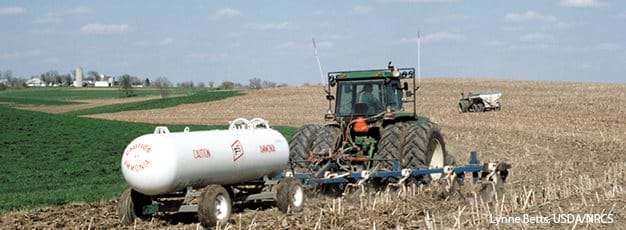
The Senate Agriculture Committee is expected to examine ongoing fertilizer supply concerns as producers continue dealing with elevated input costs during the spring planting season. Industry leaders have pointed to global supply chain disruptions, trade uncertainty and energy market volatility as factors driving higher prices for key crop nutrients.
At the same time, the House is preparing to consider legislation that would allow year-round nationwide sales of E15 gasoline, a fuel blend containing 15% ethanol. Supporters of the measure, including corn growers and ethanol organizations, say permanent E15 access would expand domestic fuel supplies, create additional demand for corn and support rural economies.

Biofuel advocates have pushed for the change for years, arguing that seasonal restrictions on E15 sales limit growth opportunities for ethanol producers and create uncertainty for fuel retailers.
Oil industry groups, however, continue to raise concerns about fuel infrastructure compatibility and potential regulatory complications tied to expanded E15 availability.
Farm organizations are also pressing Congress to address mounting economic pressures across the agriculture sector. Producers have faced declining commodity prices in several markets while continuing to absorb higher operating expenses for fuel, fertilizer, equipment and labor.
The discussions come as lawmakers continue negotiations on a long-delayed farm bill. The legislation is expected to address commodity support programs, conservation initiatives and nutrition assistance funding, all of which remain major priorities for agricultural groups nationwide.