


By:Anna Spoerre
Missouri Independent
This session’s paramount piece of abortion legislation was amended in the Missouri Senate last week. Sam Lee, a leading anti-abortion lobbyist, called the amendments a ‘poison pill’
Sam Lee has spent years helping draft and promote a Missouri version of the “Born-Alive Abortion Survivors Protection Act.”
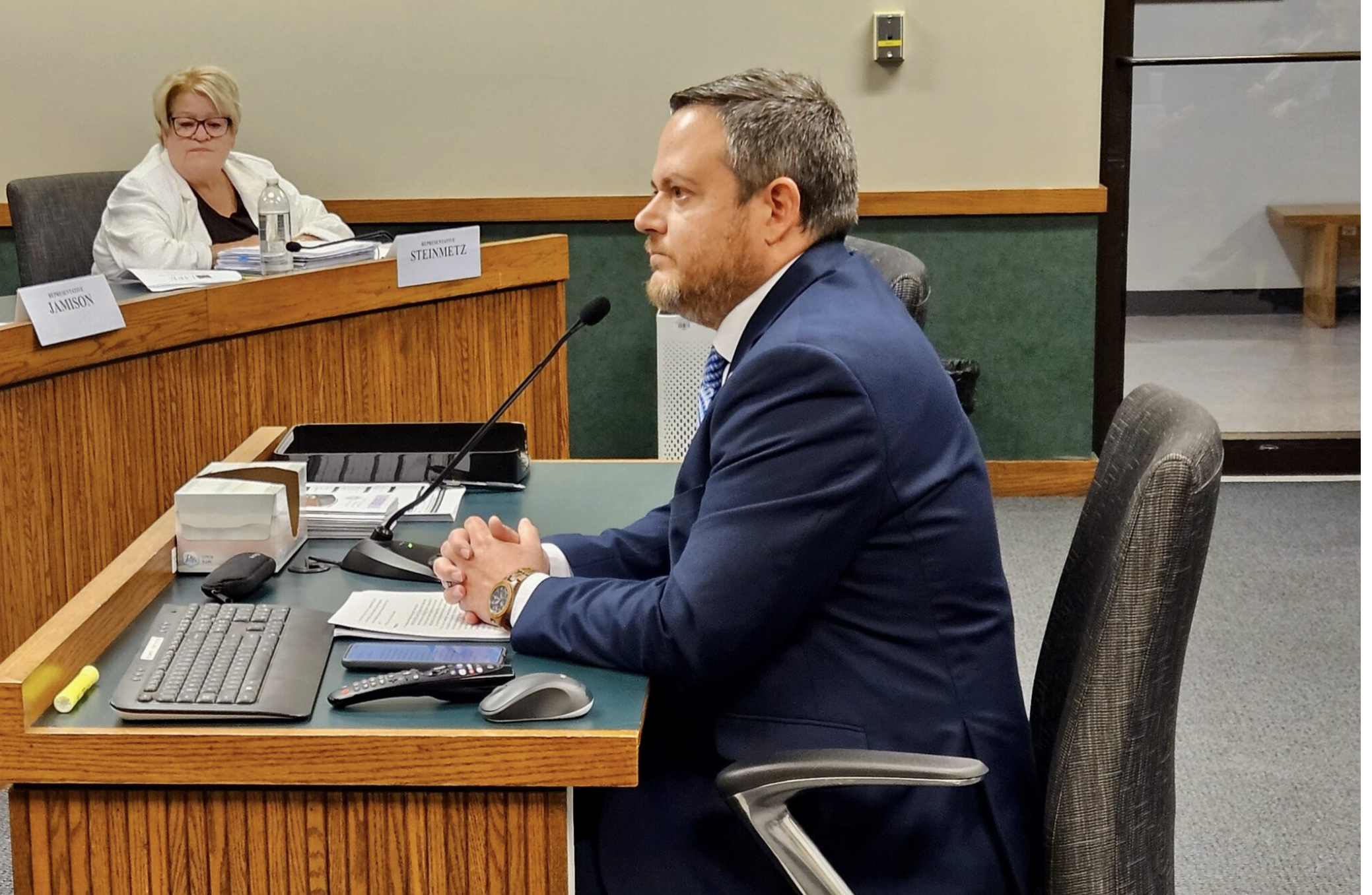
But on Monday, the longtime anti-abortion advocate and lobbyist with Campaign Life Missouri sat before the House Children and Families Committee and declined to support the bill in its current form.
The problem, Lee said, was not the underlying “born-alive” language. Instead he was concerned with what the Missouri Senate added to win passage last week — including a provision he called a “poison pill” that could put the entire bill at risk if any part of it is struck down in court.
Lee told lawmakers the bill’s inclusion of a nonseverability clause was practically unprecedented. Under that language, if a court finds any portion of the legislation unconstitutional, the whole law would be thrown out.
Despite his warnings, a House committee passed the legislation on a 12-4 vote. It’s expected to be taken up by the full House for a vote and sent to the governor before the legislative session concludes on Friday evening.
The warning underscored the uneasy path the bill has taken in the final days of session. Senate Democrats used the threat of a filibuster last week to negotiate major changes to a Republican priority, stripping out language that could have opened the door to lawsuits against anyone involved in an unlawful abortion, including the use of mifepristone. The Senate added Democratic-backed provisions on maternal mortality review, cyberstalking and cyberharassment.
The bill still passed the Senate. But not without Republican defections — including state Sen. Mary Elizabeth Coleman, from Arnold, who argued the final version may violate the Missouri Constitution’s limits on how far lawmakers can alter a bill during the legislative process.
The state Constitution requires bills to address a single subject “clearly expressed in its title.”
State Rep. Cathy Jo Loy, a Carthage Republican, said Monday that she and her Republican House colleagues were very disappointed by the revised version from the Senate, calling it a failure that Democrats were able to railroad a Republican majority priority.
State Sen. Brad Hudson, a Cape Fair Republican who sponsored the bill in the Senate, said he couldn’t overstate what a “tremendous” effort it took to get this legislation over to the House because of the power of the filibuster, a tool available to the minority party in the Senate to kill legislation.
And he tried to reassure his colleagues that the threat of a lawsuit shouldn’t scare them off.
“Anytime we do anything big, there’s that potential for litigation, right? That’s just the way it is,” Hudson said. “If we shied away from doing big things because we were afraid someone was going to sue, we wouldn’t do the things that the people, I would say, expect us to do up here.”
The “Born-Alive Abortion Survivors Protection Act” legislation states that anyone who “knowingly performs or attempts to perform an overt act that kills a child born alive” can be charged with first-degree murder. Under the bill, healthcare providers could face the death penalty if they don’t provide life-saving care to a baby born after an attempted abortion, an event that is exceedingly rare with modern medicine.
Hudson told the House committee Monday that the legislation is necessary because the state’s statute on infanticide doesn’t go far enough to protect babies because it doesn’t explicitly state they must be given proper medical care.
Democrats, abortion-rights advocates and medical professionals have said the “born-alive” language might impact doctors and patients navigating complex pregnancies, including in instances where families choose to induce early labor following a fatal fetal diagnosis — a procedure which falls under the definition of abortion in the medical field — especially if hospitals determined this law required any infant be resuscitated.
Maggie Olivia, director of policy and external affairs at Abortion Action Missouri, said Monday that such a law could cause doctors to second-guess what care they can provide, leading them to consult with attorneys, which can delay life-saving care.
“I appreciate that this body might be confused about the practicality of providing pregnancy care, but the professionals who do this care are telling you not to do this because it makes all pregnant people less safe,” Olivia told the committee, going on to list more than a dozen professional medical organizations who oppose “born-alive” legislation.
State Rep. Pattie Mansur, a Kansas City Democrat, rebuffed criticism from her Republican colleagues that any representatives who voted against the bill don’t care about babies.
“I am voting for my constituents because they do not want legislators in the middle of their medical discussion,” Mansur said. “ One thing I’ve learned here in two years is that there are some very unusual and tragic situations that can happen in the course of a pregnancy. And I don’t think we fully know all of those nor do I think we should claim the right to know them.”