


By BRENT MARTIN
St. Joseph Post
A controversial environmental proposal has resurfaced, prompting fierce opposition from the agricultural sector once again.
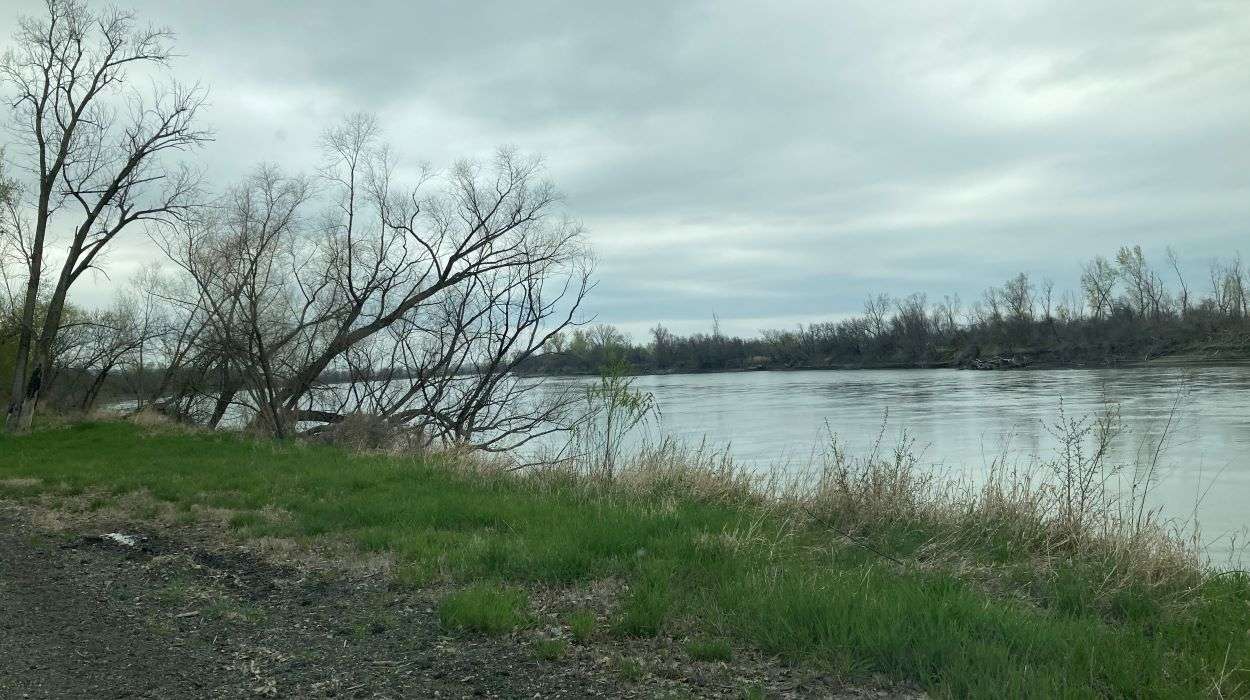
The Obama Administration attempted and failed to get the Waters of the United States approved, an attempt to allow the EPA to regulate bodies of waters at their source. The Biden Administration is taking another run at it.
Northern Missouri Congressman Sam Graves opposes the measure, arguing it’s an overreach that would allow the federal government to trample private property rights.
“And what’s unfortunate is it can be a dry wash, but if it’s raining and it’s carrying water then it becomes a waterway with a significant nexus,” according to Graves. “That’s one of the terms, ‘a significant nexus.’ You have to ask yourself, what the heck does that mean?”
Graves says the interpretation would allow the EPA to extend its jurisdiction well beyond the Clean Water Act approved by Congress. The EPA argues that it must be able to regulate water at its source to ensure against pollution.
Agricultural groups and others successfully tied the proposed regulation up in the courts, preventing it from ever being enforced. The lawsuits primarily argued the administration was exceeding Congressional authorization.
Graves says the proposal goes way too far.
“This is a classic example of government overreach and trying to take away someone’s property rights and trying to have the ability to come in and regulate you out of business,” Graves says.
A compromise was reached during the Trump Administration. The new proposal under President Biden would undone that compromise.
Graves says that under the proposal the EPA could use a flimsy pretense to come onto private property in the guise of protecting the environment.
Graves sees WOTUS as part of a larger attack on agriculture. The Congressman objects to recent accusations that agriculture contributes disproportionally to climate change. Graves says farming stacks up pretty well to others, even others around the world, arguing farmers have a vested interest in caring for the environment.
“It’s the environment that allows them to produce that food and fiber for the world,” Graves says. “On the other hand, China, they do not care. They’re building coal-fire plants at the rate of one every few days. They’re going up to supply electricity and they’re burning some very dirty coal.”
Graves says America, in contrast, has a comprehensive energy policy that uses several different forms of energy.