


Higher Diesel Prices Ripple Through Food Supply Chain
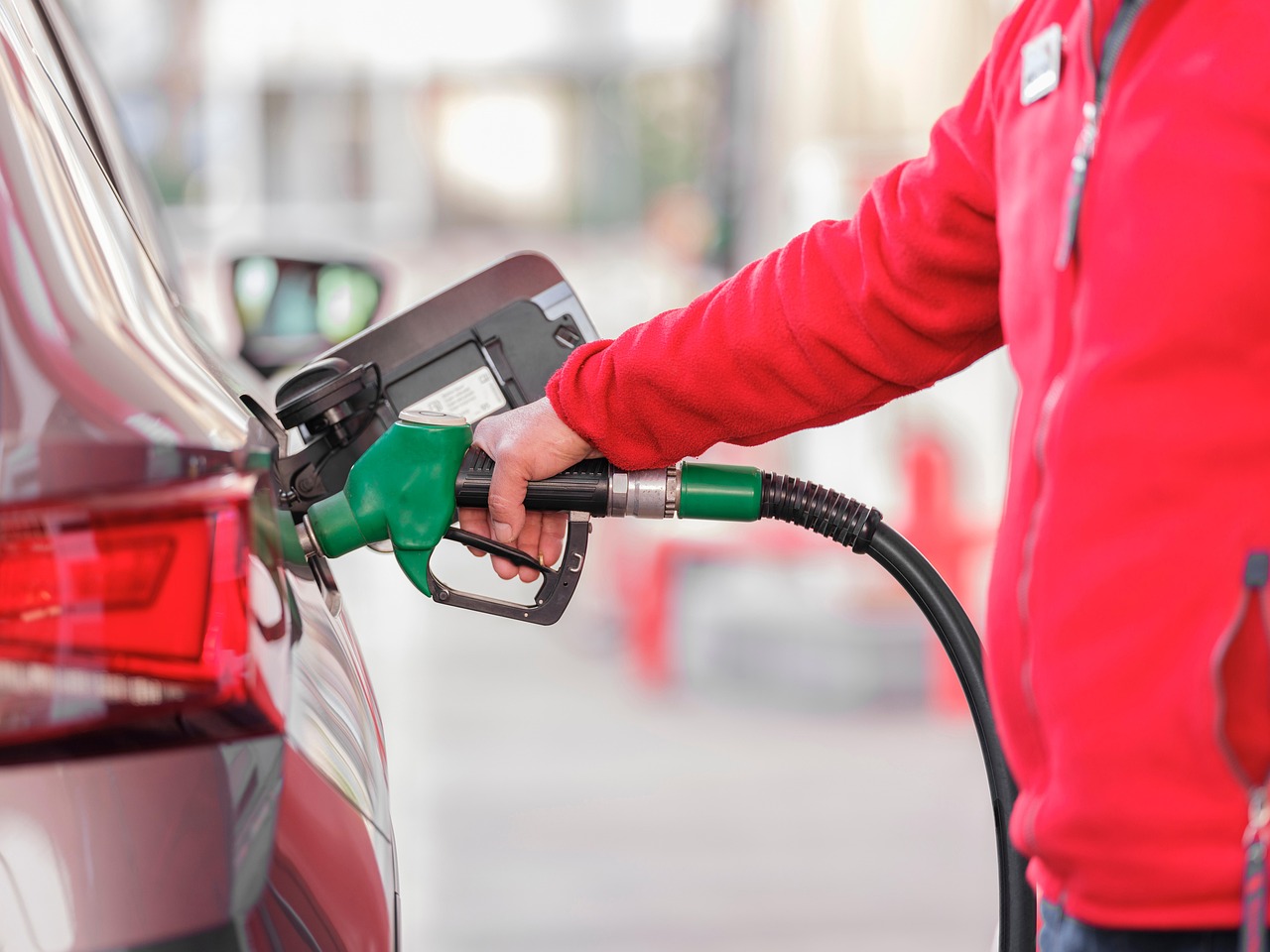
Higher diesel prices are affecting more than farmers and truck drivers, with increased energy and transportation costs contributing to higher food prices for consumers.
Diesel fuel plays a major role throughout the food supply chain. Farmers use diesel to operate tractors, combines and other equipment, while trucking companies rely on it to transport crops, livestock and finished food products. When those costs increase, businesses often pass at least part of the added expense along to consumers.
Recent Consumer Price Index figures show food prices increased by about half a percent in just one month.

Over the past year, food-at-home prices — essentially groceries — increased about 2%. Some categories saw significantly larger increases.
Beef and veal prices were up about 6% from a year earlier, while fish and seafood prices increased 6.5%.
Consumers eating away from home are also paying more. Prices for food purchased at restaurants and other establishments increased 3.4% over the past year.
While fuel prices are not the only factor influencing food costs, higher diesel and other energy expenses can affect virtually every stage of food production and distribution. Farmers face higher costs to plant and harvest crops, livestock producers pay more to transport animals and feed, and processors and retailers face increased shipping expenses.
That means consumers who never purchase a gallon of diesel can still feel the effects at the grocery store and restaurant.
The increases come as farmers and other agricultural businesses continue to contend with elevated operating expenses, making energy costs another factor affecting both producers and consumers throughout the food supply chain.