


BY: REBECCA RIVAS
Missouri Independent
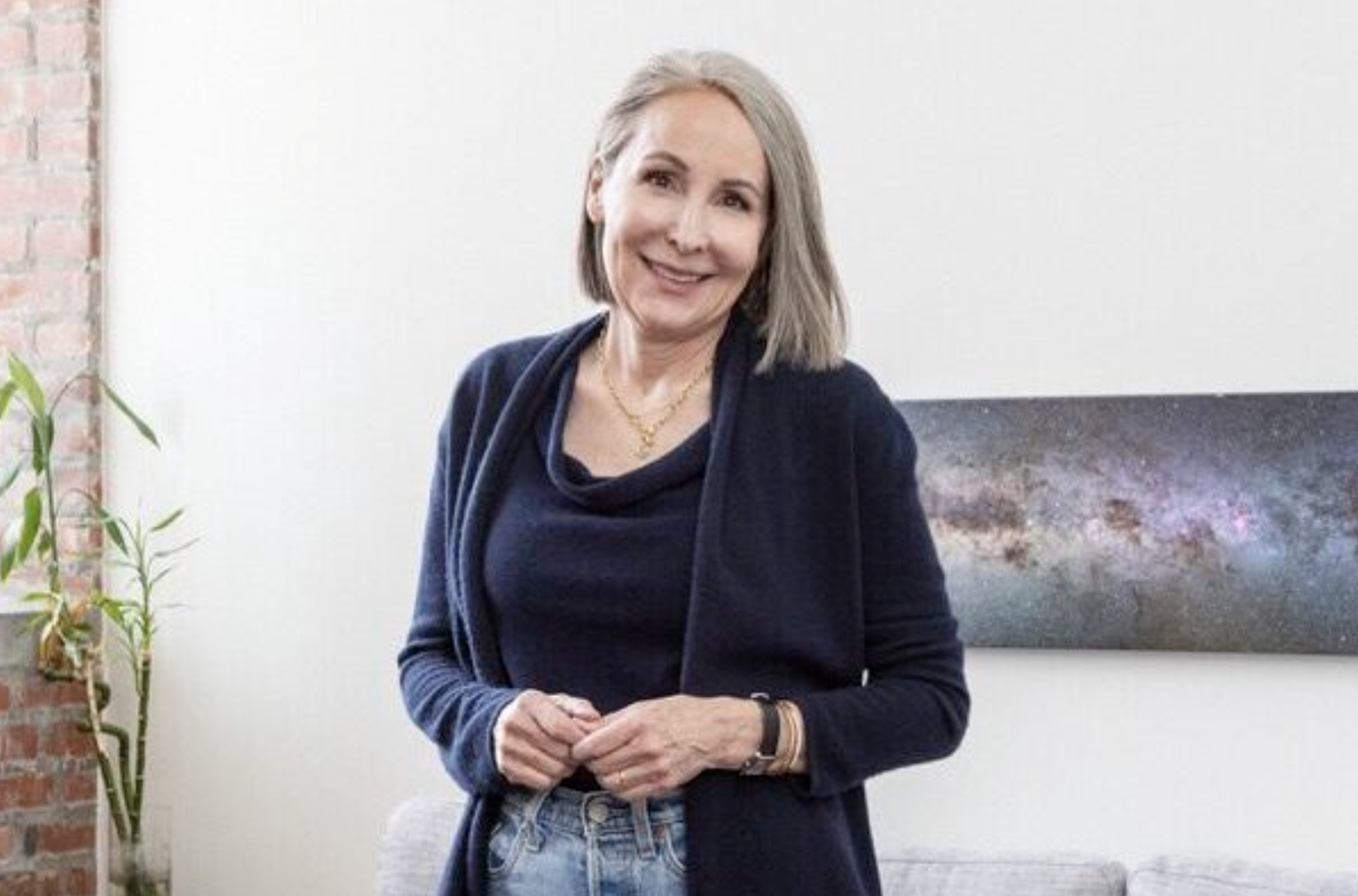
Kansas City social worker Anne Bethune has run more than 500 ketamine sessions. She’s also spent years pushing Missouri lawmakers to authorize psilocybin-assisted therapy
Licensed clinical social worker Anne Bethune had been treating trauma clients in Kansas City for several years when, in 2017, her agency asked her to get an additional certification.
At the time, Bethune was working primarily with rape victims, using a range of therapies, including traditional talk therapy. Her clients would improve, she noticed, and then stall.
“People did a lot of work with the tools that we had at the time,” she said, “but there was still this stuckness.”
The certification required her to train under an approved consultant in eye movement desensitization and reprocessing, or EMDR, and she found San Francisco-based Veronika Gold —who has been called one of the “goddesses” of psychedelic-assisted therapy.
“I got to know her a little bit and hear about the work that she was doing, and I was really inspired,” Bethune said, noting the certification had nothing to do with psychedelics. “There was no one in the Midwest that was doing it.”
That chance meeting led Bethune to open Missouri’s first ketamine-assisted therapy practice in 2019 — one of the first in the Midwest.
Ketamine is a legal anesthetic. Unlike psilocybin — the active compound in so-called magic mushrooms — LSD and other psychedelics that remain federally illegal, ketamine is a Schedule III controlled substance, the same classification as testosterone. Doctors prescribe it off-label to treat mental health conditions that have not responded to conventional treatment.
She’s now led more than 500 ketamine sessions in her practice, KAP Kansas City, and has worked as a facilitator on several psilocybin studies at the University of Kansas Medical Center.
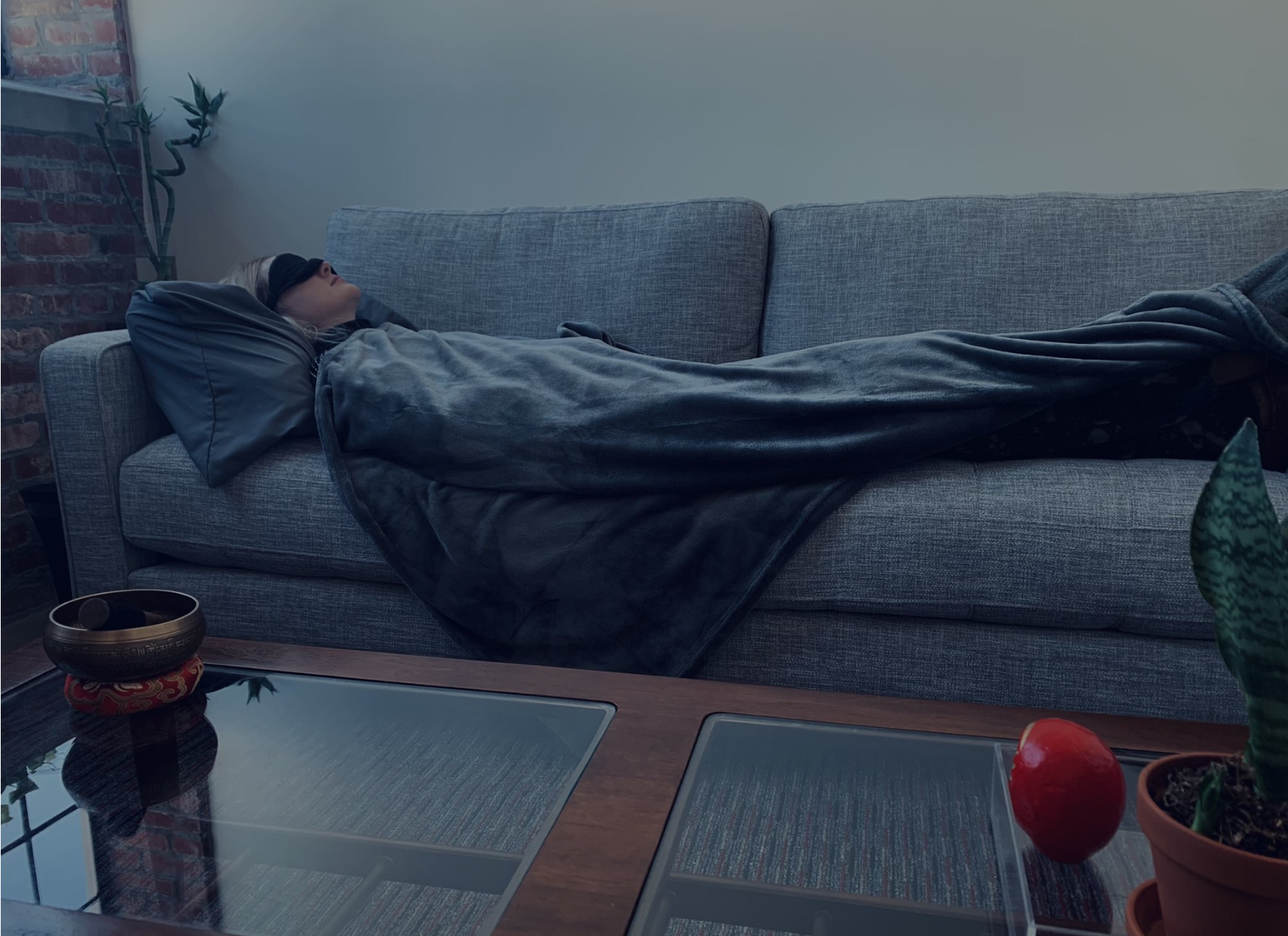
Ketamine follows a treatment sequence similar to psilocybin, where clients lie comfortably while wearing an eye mask and listening to calming music. But she says it’s not as “profound” an experience as psilocybin and doesn’t last as long. Some research shows that the longer people are in that state, the more efficacious it is.
That’s why she has spent years pushing for Missouri legislation that would allow psilocybin to be used in clinical settings.
“For the past several legislative sessions, I’ve testified to expand access to psilocybin-assisted therapy,” she said. “Ketamine is great, and there’s plenty of research to back the safety and efficacy of other psychedelic medicines. I want to look to the future.”
This spring, Missouri lawmakers nearly passed legislation that would require the state to conduct a study on using psilocybin and other alternative therapies to treat depression, substance use or as part end-of-life care.
During legislative hearings, Bethune testified that there are 93 completed studies of psilocybin and more than 160 studies in process nationwide.
“It’s safe and effective,” she said. “We’re kind of past the point of it being experimental.”
Bethune said she has seen — in her own practice and through clinical studies she’s assisted — that both ketamine and psilocybin offer a way to push past the stagnation that many patients struggle to move through.
“It’s clear that we have to do something,” she said. “We have a mental health crisis, and I think that these drug development companies and academia and in research groups they’re looking at this seriously, in response to the needs of trauma and depression.”
How it began
After they met, Gold encouraged Bethune to attend ketamine training in Austin, where Bethune went through two sessions. She was skeptical at first, she said, but the experience convinced her this was the right path.
“What it was, honestly, this feeling that we’re all just love and stardust,” she said. “And then at the end, I was like poured back into a physical form. It just felt so unifying, so peaceful, and there was something sacred about it.”
She keeps a picture of the cosmos in her office, she said, because that sense of vastness is a common response to psychedelics.
“It just felt like my life before I was on this earth and while I’m on this earth and after,” she said, “it just felt like this very gentle, sacred continuum.”
But she knew building a practice wouldn’t be easy. Her biggest hurdle was finding a doctor who would be willing to prescribe the medication.
“I sent probably 75 to 90 letters to doctors,” she said, “and most of them didn’t respond at all. The few that did were kind of dismissive about it.”
At the time, there were a few ketamine clinics in Missouri, where people could get infusions in a medical setting. People got the anti-anxiety and anti-depressant benefits of ketamine, she said, but she was more interested in “the couch” or the relational transpersonal model.
It took a long time to educate people about the efficacy of ketamine-assisted therapy, she said.
“It’s taken a lot, and it was hard,” she said. “I knew it would eventually take off, because of the efficacy of it… But I just wasn’t sure that it would happen for me.”
Now she works with some doctors who respect the model and understand the power of the consciousness to heal, she said.
Ketamine in a therapy setting offers “a portal,” she said, and she strongly believes that everyone can be their own healer.
“You get a sense of people having a strong sense of connection, just connection to life, to the universe, to beings, to people, to humanity, to nature,” she said. “So that’s very healing, and that’s inherent. That’s not created in the space.”
The sessions
Clients relax on a couch with an eye mask on and let the ketamine tablets dissolve in their mouths. As the medicine takes effect, Bethune guides them through breathing and meditation exercises. The effects set in within 15 to 30 minutes.
“There’s curated playlists for the experience,” she said. “You can have internal visions, sensations of moving, floating. You won’t have any hallucinations. So, if you open your eyes, you will see me in my office. You won’t see anything that’s not there. That state of consciousness is very wide open and expansive.”
Some clients encounter “some heavy or disturbing material, but it’s typically at such a level of distance that they’re viewing it with a fair amount of detachment.”
They’re not re-experiencing it, she said.
The rationale rests on one of ketamine’s biological properties: a period of increased neuroplasticity after the session.
“This is a physiological treatment along with psychological,” she said. “So when you’re born, you’re born with a lot of neurons, and they multiply and they grow and they make connections when you’re exposed to new things.”
The process slows as people age, she said, though it never stops.
“After a ketamine experience, there’s this increased period of neuroplasticity,” she said. “So I really encourage people to just marinate in that state of neuroplasticity.”
That’s part of the therapy that happens after the sessions, to integrate the experience into their lives.
Currently, insurance does not cover the medicine or treatment, she said. The intake session is $185, and the medicine is $75 for five sessions. To get a prescription, clients must complete an assessment with a doctor, which costs about $150. The ketamine-assisted therapy sessions, which last about two to three hours, are $600 each.
She offers sliding scale fees to veterans, first responders, public defenders, prosecutors and other publicly-employed lawyers. Prior to opening her own practice, she did agency work with women, men and children affected by sexual abuse, was involved in the juvenile justice system and the Missouri Child Abuse & Neglect Review Board.
She describes her current clientele as “a really curious, educated constituency.”
“It’s a combination of old psychonauts that, you know, did acid in the ’60s, and people that don’t even drink, don’t smoke marijuana, that don’t do anything,” she said. “So there’s just openness, and it’s just wonderful because the clients I work with are self-selected, curious, and open. So yeah, I think the perception is changing.”