


By RYAN SKAITH
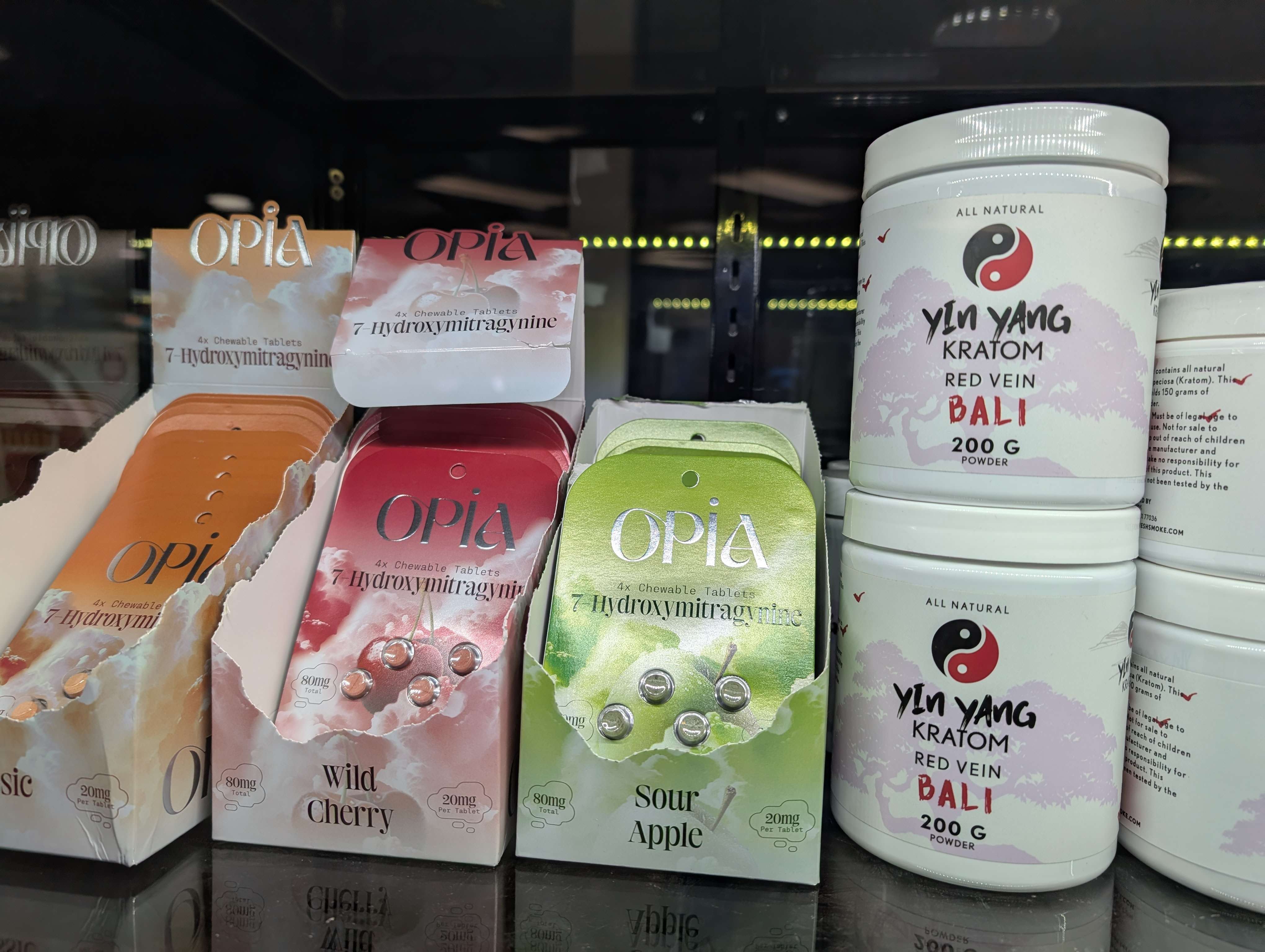
The St. Joseph Health Department is alerting the community to a concerning increase in local use of 7-hydroxymitragynine, a powerful and highly addictive opioid compound being sold in retail locations.
According to the Missouri Department of Health and Senior Services, the substance also known as 7-hydroxy or 7-OH can be up to 13 times more potent than morphine or heroin and poses a serious risk of respiratory depression and overdose.
Dr. Robert Corder, medical director at the St. Joseph Health Department, said he’s concerned with the rise in patients being treated locally for 7-hydroxy-related issues. He noted that it is very disturbing that this new concentrated form of kratom can be obtained with no restrictions.
According to Corder, the substance is so powerful that it takes two to three times the medication to treat than what is used on patients addicted to fentanyl. Because of this, the nickname for 7-OH is “gas station heroin.”
7-hydroxymitragynine occurs naturally in very small amounts in the kratom plant but is now being sold in concentrated and unregulated forms for recreational use and for claimed effects such as stimulation, pain relief, or sedation. While often marketed as kratom, 7-OH is a different substance and carries a significantly higher risk of addiction. Because these products are unregulated, strength and quality vary widely and safe dosing is difficult. The risk of overdose increases when 7-OH is used with other substances.
Products containing kratom or 7-hydroxymitragynine are commonly sold at gas stations, convenience stores, and smoke and vape shops. They are available as powders, capsules, edibles, or beverages, and some are packaged to resemble candy or snack foods, raising concerns about accidental exposure among children. Health risks include addiction, poisoning, slowed or stopped breathing, and death.
The U.S. Food and Drug Administration has recommended scheduling action under the Controlled Substances Act for certain products containing 7-hydroxymitragynine. Neither kratom nor 7-OH has an FDA-approved medical use. In early December, federal authorities seized approximately 73,000 units from warehouses, including two in the Kansas City area.
The St. Joseph Health Department urges residents to talk with a healthcare provider before using supplements marketed for pain, energy, or mood.
Products containing kratom or 7-OH should be stored securely and kept out of reach of children and pets. If someone becomes unresponsive after using these products, call 911 immediately and administer naloxone if available.